West Metro Property Taxes and Commute Guide
8 min read · Published July 2026 · By Bryce Caldwell

West-metro property taxes and commute time are both address-level decisions, not reliable citywide slogans. Minnesota taxes depend on assessed value, classification, local levies, school districts, special districts, exemptions, and homestead status; commute depends on the actual house, work destination, route, season, and transit access. Here is how I compare those facts before a buyer commits to Wayzata, Minnetonka, Eden Prairie, Plymouth, or a Lake Minnetonka town.
How are property taxes calculated in Minnesota?
Minnesota property taxes are based on a property's value and classification, then shaped by the levies of the county, city, school district, and other taxing jurisdictions. The Minnesota Department of Revenue says estimated market value is one factor in the calculation and that homestead classification may reduce taxable value or qualify an owner for relief. A town's name alone does not tell you the final bill.
That is why I start with the property's actual tax statement or county record rather than multiplying a marketing price by a generic rate. Two homes in the same suburb can have different taxes because their assessed values, improvements, classifications, exemptions, and local service areas differ.
The Minnesota Department of Revenue is the right starting point for understanding classification, estimated market value, taxable market value, homestead treatment, and appeals. For a purchase, the county assessor and the property's current tax statement are the controlling sources.

Does the school district affect west-metro property taxes?
Yes, the school district is one of the local taxing jurisdictions that can affect a property's bill, but school district and city boundaries do not always match. A Minnetonka, Plymouth, or Minnetrista address may need separate school-boundary verification, so I never use the city name as a shortcut for either school assignment or tax expectations.
This matters in the Lake Minnetonka corridor because neighboring homes can sit in different municipal and school-service combinations. Confirm the exact district, then review the property's tax statement and the assessor's records instead of assuming that a highly rated district has one uniform tax bill across every address.
The site's school-boundary guide explains how to verify the district by address. The Minnesota Department of Revenue explains how property taxes and classifications work. Those are two separate checks, and a careful buyer needs both.
What is homestead classification in Minnesota?
Homestead classification generally applies when an owner occupies a property as a primary residence, and it can reduce taxable market value or qualify the owner for refund and relief programs. Minnesota Revenue says owners must apply through the county and meet the applicable ownership, occupancy, and classification requirements; buyers should not assume a prior owner's status automatically carries over.
Minnesota's 2026 homeowner guidance also describes a Homestead Credit Refund. The regular refund has income and occupancy requirements, and the special refund depends on a qualifying year-over-year net-tax increase. These programs are not a substitute for estimating the actual tax bill on a home you are considering.
When I review a move, I ask whether the property will be owner-occupied, whether homestead paperwork is current, and whether the buyer needs to speak with the county assessor. The answer can change if the home is used as a rental, second residence, or mixed-use property.
Which west-metro towns offer more housing choice?
The July 2026 Zillow aggregate snapshot shows the practical difference in search depth: Plymouth has 308 homes in the snapshot, Eden Prairie 230, and Minnetonka 209, while Excelsior has 6 and Deephaven 23. More inventory does not automatically mean lower taxes or a better fit, but it can give a relocating buyer more chances to match price, school, lot, and commute.
The same snapshot reports typical home values of $518,482 in Plymouth, $512,268 in Eden Prairie, and $496,327 in Minnetonka. Wayzata, Orono, Deephaven, Shorewood, Minnetrista, and Excelsior sit in a different mix of lake access, lot size, housing age, and price. Zillow's figures are aggregate indicators, not appraisals or MLS medians.
I use these numbers to set the search range, not to price a specific house. Current inventory, condition, school assignment, lake access, acreage, and improvements matter more once we are looking at a real address.
Reported listing inventory by community
Zillow aggregate snapshot refreshed July 12, 2026, with data through June 30, 2026. Inventory shows search depth, not affordability or quality.
- Plymouth308
- Eden Prairie230
- Minnetonka209
- Wayzata70
- Orono63
- Minnetrista52
- Shorewood36
- Deephaven23
- Excelsior6
What is the Green Line Extension and when will it open?
The METRO Green Line Extension is currently scheduled to open in 2027. The planned 14.5-mile route will add 16 stations from downtown Minneapolis through St. Louis Park, Hopkins, Minnetonka, and Eden Prairie, with connections to major activity centers including the Opus/Golden Triangle employment area and Eden Prairie Center.
The Metropolitan Council estimates that nearly 56,000 people will live within a 10-minute walk of the corridor and that travelers will have access to nearly 81,000 jobs along the extension. Those are corridor-level projections, not a promise that every home in Minnetonka or Eden Prairie will have a short transit trip.
For a buyer, the useful question is not simply whether a suburb is on the line. It is whether the station, transfer pattern, work destination, schedule, parking, and daily routine actually fit the household. I treat the extension as a future transportation factor and verify the current project status before relying on it.
How should I compare a west-metro commute?
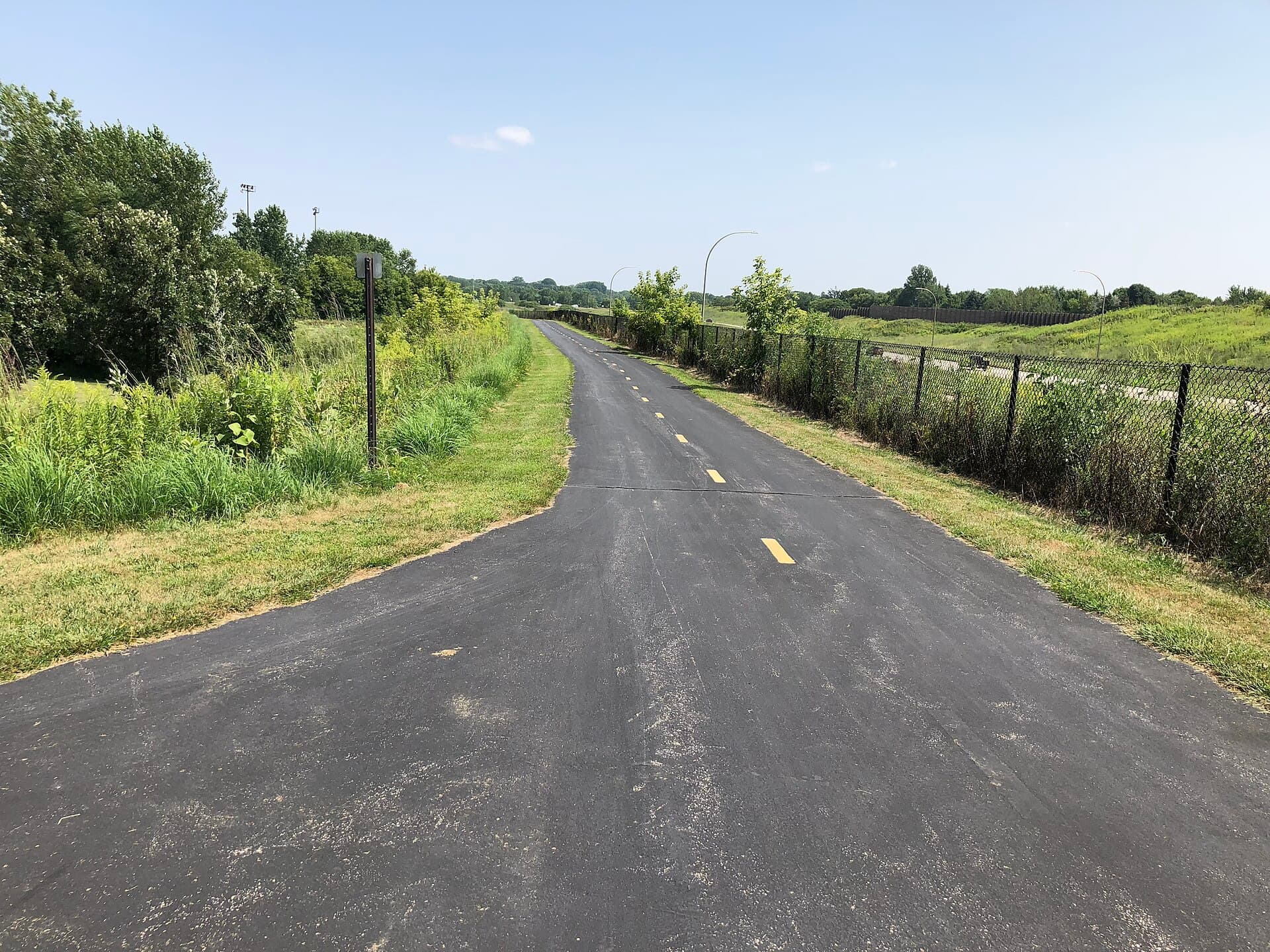
Compare the commute from the specific property to the actual work destination at the hours the household travels. A home near Highway 12, I-394, Highway 55, I-494, or the planned Green Line may look convenient on a map while producing a very different morning routine depending on the direction, school drop-off, transfers, and winter conditions.
I avoid publishing one-size-fits-all drive times because traffic and route choice change the answer. Instead, I compare two or three candidate addresses at the same time of day, check the transit option when relevant, and separate the usual trip from the bad-weather plan.
The west metro is not one commute market. Eden Prairie and Minnetonka connect to different employment patterns than Wayzata, Orono, Deephaven, Plymouth, or the smaller lake towns. A relocation search gets clearer when the work destination is treated as a first-order filter rather than a detail after the house tour.
How much does winter affect a west-metro commute?
Winter affects the practical cost and reliability of a west-metro commute because the Twin Cities averages approximately 54 inches of snow annually. MnDOT maintains 5,232 route miles with 250 metro snow-removal trucks, but its clearance expectations vary by road classification. A major state route and a long private drive should never be treated as the same winter problem.
For a home search, I look at the road hierarchy, driveway length, sidewalk responsibility, parking, snow storage, and the route to work or school. Acreage and cul-de-sac properties can be excellent fits, but they may require more private planning than a home on a heavily traveled corridor.
Snow is not a reason to avoid the west metro; it is a reason to ask better property questions. The final review should cover the individual address, the local road authority, the driveway or association arrangement, and the household's tolerance for early-morning winter logistics.

What should I ask for before making an offer?
Before making an offer, request the current property tax statement, confirm the estimated and taxable market values, verify classification and homestead status, and identify the taxing jurisdictions on the parcel. Then verify school assignment, commute assumptions, utilities, association responsibilities, and any special assessments or property-specific costs.
I also compare the home's current tax bill with nearby comparable properties, but I do not assume that a neighbor's bill is identical. Improvements, exemptions, classification, and assessment timing can produce meaningful differences even on the same block.
If the tax or commute answer is central to the move, I want the buyer to see the source before making a decision. A clean purchase process is not about finding one magic tax rate or one perfect commute; it is about removing the unknowns that can change the household's budget and daily life.
Bryce’s take
Property taxes and commute are where a pretty listing can become a bad fit. I want buyers to see the actual tax statement, confirm the school district and parcel, and test the commute from the house they are considering. If a planned train, a lake-town address, or a larger lot changes the daily trade-off, we should know exactly how before an offer - not after closing.

Key takeaways
- Minnesota property taxes depend on value, classification, county, city, school district, special districts, exemptions, and homestead status; a citywide rule of thumb is not a final tax bill.
- School district and city boundaries do not always match, so buyers should verify the exact address separately for school assignment and property-tax jurisdictions.
- The METRO Green Line Extension is currently scheduled for 2027 and will add 14.5 miles and 16 stations through Minneapolis, St. Louis Park, Hopkins, Minnetonka, and Eden Prairie.
- The Twin Cities averages approximately 54 inches of snow, and winter planning should distinguish state-road service from private driveway, sidewalk, and association responsibilities.
- The July 2026 Zillow snapshot shows more inventory in Plymouth, Eden Prairie, and Minnetonka than in smaller lake towns; those are aggregate market indicators, not appraisals or MLS medians.
Frequently asked questions
How are property taxes calculated in Minnesota?
Does the Green Line Extension serve Minnetonka and Eden Prairie?
How much snow does the Twin Cities get?
Sources and verification
Written by
Bryce Caldwell is a RE/MAX Advantage Plus agent who knows the Lake Minnetonka corridor and the Twin Cities west metro. Full-time since 2022 with a 5.0 rating across 27 reviews, he gives buyers and sellers honest, no-pressure guidance — and writes these guides.
Explore these areas
- Wayzata, MN real estateWalkable downtown, lake access two blocks from dinner, and the #1 school district in Minnesota.
- Orono, MN real estateWooded acreage and private drives on the north shore. The west metro's quiet ceiling.
- Deephaven, MN real estateOld-growth lanes and dock rights minutes from the channel. Established and quiet.
- Minnetonka, MN real estateMature, leafy, and central — the reliable move-up address with the 276 schools.
- Eden Prairie, MN real estateTop-five schools, 130+ miles of trails, and the best commute in the metro. The value play.
- Excelsior, MN real estateA true village on the water — porches, sailboats, and patio suppers walkable from home.
- Shorewood, MN real estateQuiet, wooded, and next to Excelsior — the 276 schools with a little more yard.
- Minnetrista, MN real estateThe rural west edge of the lake — acreage, new construction, and room to breathe.
- Plymouth, MN real estateOne of Minnesota's largest suburbs — parks, jobs, and an easy northwest commute.
Keep reading
More west metro guides
The Best Restaurants in Excelsior: A Water Street Guide
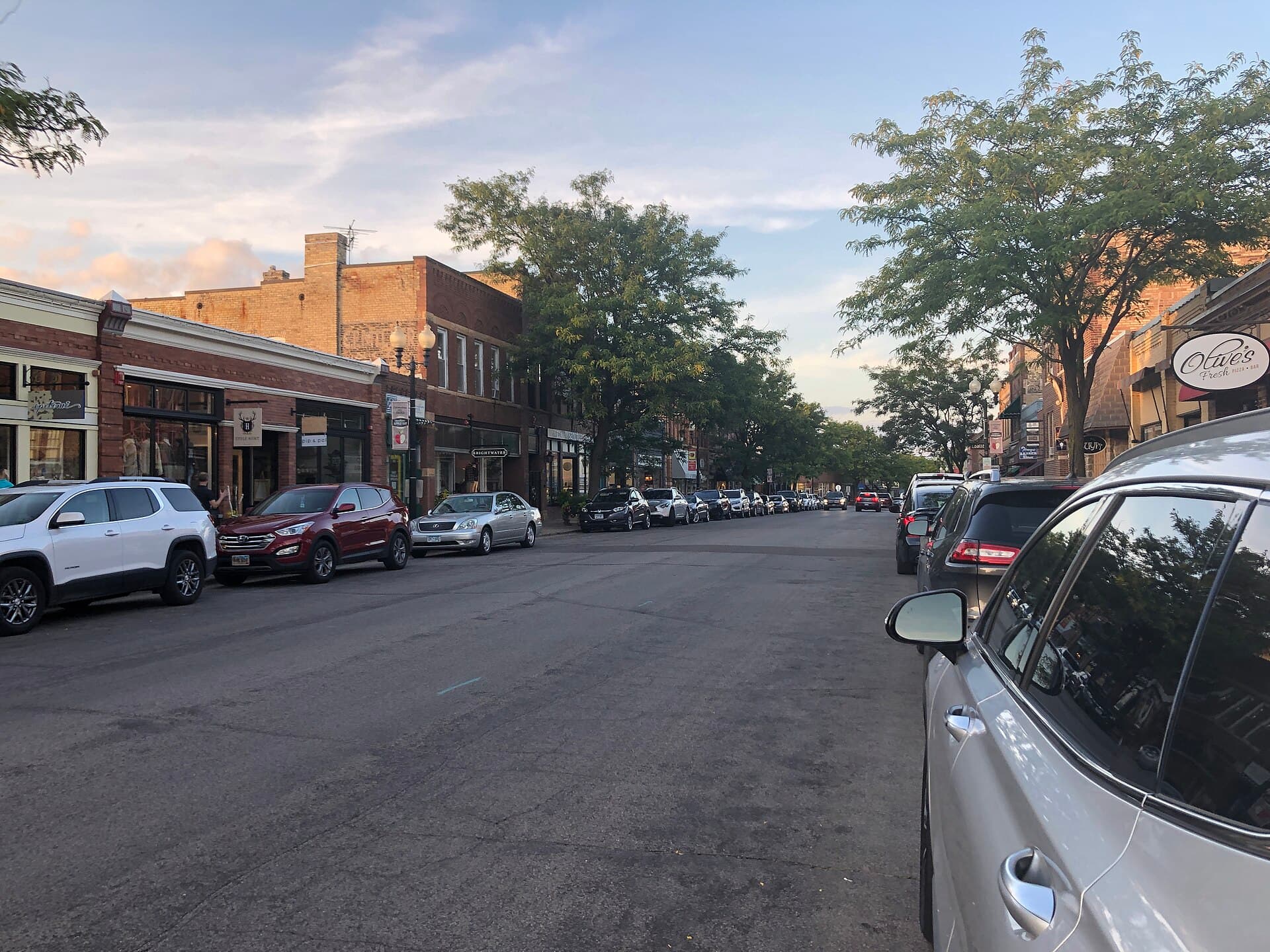
Water Street has quietly become the west metro's restaurant row — Layline, Mirabelle, and 318 Cafe within a block of each other, plus Maynard's on the lake. Here's where to eat and when they're open.
6 min read · July 2026

The 5 Best School Districts Around Lake Minnetonka, Ranked (2026 Niche Grades)
Wayzata 284 is Niche's #1 district in Minnesota for 2026 — its third straight year. Here are the five A+ districts around the lake, ranked, with the numbers buyers actually cite.
7 min read · July 2026

Big Island Nature Park: The Boat-Only 56-Acre Park With Amusement-Park History
A 56-acre Orono nature preserve you can only reach by private boat — with ADA-accessible trails, a beach, and a wild past as an early-1900s amusement park and a veterans camp.
6 min read · July 2026